
If you’re anything like us, at this moment you’re lying on the sofa in a post-holiday stupor. Thankfully it’s Saturday, and there’s nothing to do but relax, play with new toys, and chase your nephew around the house. Oh, and recycle all those damn boxes.
Being Saturday, however, it’s unlikely that the recycling will go anywhere, which makes us curious about that holiday for our friends across the sea: Boxing Day.
Allow us to explain: This strange little holiday is traditionally observed in the United Kingdom, Canada, Australia, and other former British colonies. As the day immediately following Christmas, it’s when servants and tradesmen would receive gifts from their bosses or employers. No one knows the origin definitively, but the Oxford English Dictionary claims that the term arose in the 1830s, as “the first week-day after Christmas-day, observed as a holiday on which post-men, errand-boys, and servants of various kinds expect to receive a Christmas-box”. Since they waited on their masters on Christmas Day, servants were allowed the following day to visit their families. Some employers would give their servants a box containing gifts, bonuses, and food to take home.
Another theory suggests that the tradition arose as long ago as the Middle Ages, when an Alms Box would be placed to collect donations to the poor.
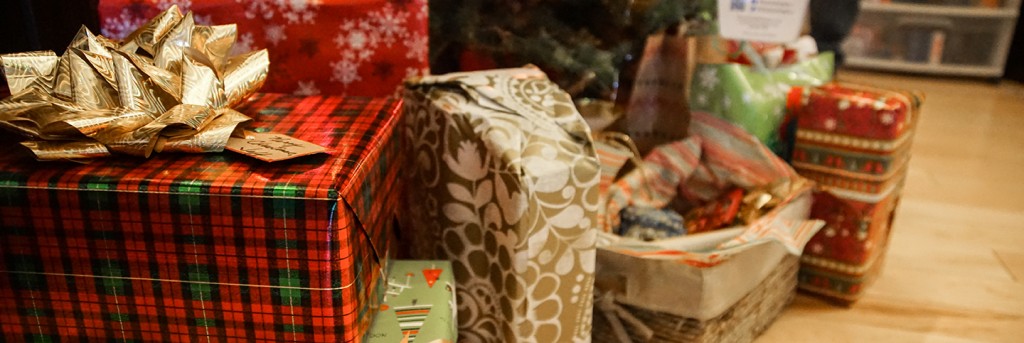
Fans in the United States may be comforted to know that these days, Boxing Day is primarily recognized as a shopping holiday, much like our own Black Friday. It’s also the day of the year with the greatest number of returns (sorry Grandma, that sweater was three sizes too big).
Let’s revisit your boxes, shall we? Unless you’ve found a legal loophole and still have servants (honestly, we wouldn’t mind having help for these dishes), we’re assuming that the presents have all been distributed. In that case, Boxing Day takes on another meaning: it’s when everyone puts their boxes on the street and waits for the recycling truck. What it lacks in holiday fanfare it gains in the satisfaction of knowing there’s another 11 months before the return of wrapping paper, carols, and bows.